All blog posts
Woman and men holding a tablet discussing about the benefits of electronic signatures.
Electronic Signature
,
Digital Trust
,

Why companies should switch to electronic signatures

Avatar female
This is some text inside of a div block.
October 4, 2024
mesoneer
Franziska Klein
&
October 4, 2024
In an increasingly digitalized world, where processes are running faster and faster, many companies strive for greater efficiency – including in the area of signatures. Electronic signatures offer an ideal solution. Right now, they are radically changing the way we sign, process and manage documents. Four reasons why it pays for companies to switch to electronic signatures.

#1: Electronic signatures are efficient

Electronic signatures make it possible to sign documents anytime, anywhere with just one click. Manual, slow processes, such as sending letters back and forth to collect the required signatures from different parties, are now a thing of the past. Modern signature platforms also allow you to sign multiple documents at the same time. Seamless integration of electronic signatures into existing business processes thus increases productivity, saves time and reduces costs.

#2: Electronic signatures are secure

Signing digitally with electronic signatures offers maximum security. They are even more secure than handwritten signatures because, thanks to encryption, they are stored in some kind of digital vault. This protects them from unauthorized access and manipulation. Furthermore, with today's signature solutions, both the authenticity and the integrity of a document can be verified with just a few clicks.

#3: Signature platforms are sustainable

Platforms for electronic signatures contribute significantly towards protecting our planet. By eliminating the associated paper documents and their postal delivery, companies reduce their ecological footprint by using a platform for digital signatures. And since every digitally signed document saves paper, signature platforms help to conserve our natural resources.

#4: Electronic signing is convenient

Signature platforms enable a seamless user experience and reduce media disruptions. A good example of this is the qualified electronic signature (QES), which requires conclusive identification of the signing party. Therefore, leading signature platforms such as signeer provide an integrated solution for digital remote identification. This way, the entire process, from identification to signing, runs without interruptions and unnecessary steps – and all parties can be sure that the signature is legally valid.

FAQ’s

Frequently asked questions

No items found.

Electronic signatures with signeer

signeer is the Swiss platform for companies looking for a secure, user-friendly and sustainable solution for electronic signatures. The platform combines intuitive usability with advanced features, providing a future-oriented application for digital signatures. Arrange a free demo appointment and discover how signeer can revolutionize your business processes.

Schedule a Call
Contact Form
Written by
Author Portrait
This is some text inside of a div block.
October 4, 2024
mesoneer
Franziska Klein
&
04.10.2024
Share this blog post
Author Portrait
This is some text inside of a div block.
October 4, 2024

Related Blog Posts

An insurance employee demonstrates a digital process with an audit trail on a tablet.
Audit Trails in the Insurance Industry
Who collected what data and when? Was a customer’s identity verified correctly? When was a contract approved and signed? Questions like these have long been part of everyday life in the insurance industry. The demands for transparency, compliance, and traceability are increasing, both in terms of customers and business processes. Audit trails provide the foundation for ensuring that decisions and process steps can be traced at any time. But what makes for a good audit trail, and why is it actually becoming increasingly important for insurance companies?
Read more
Patrick Imsand
 | 
04.11.2026
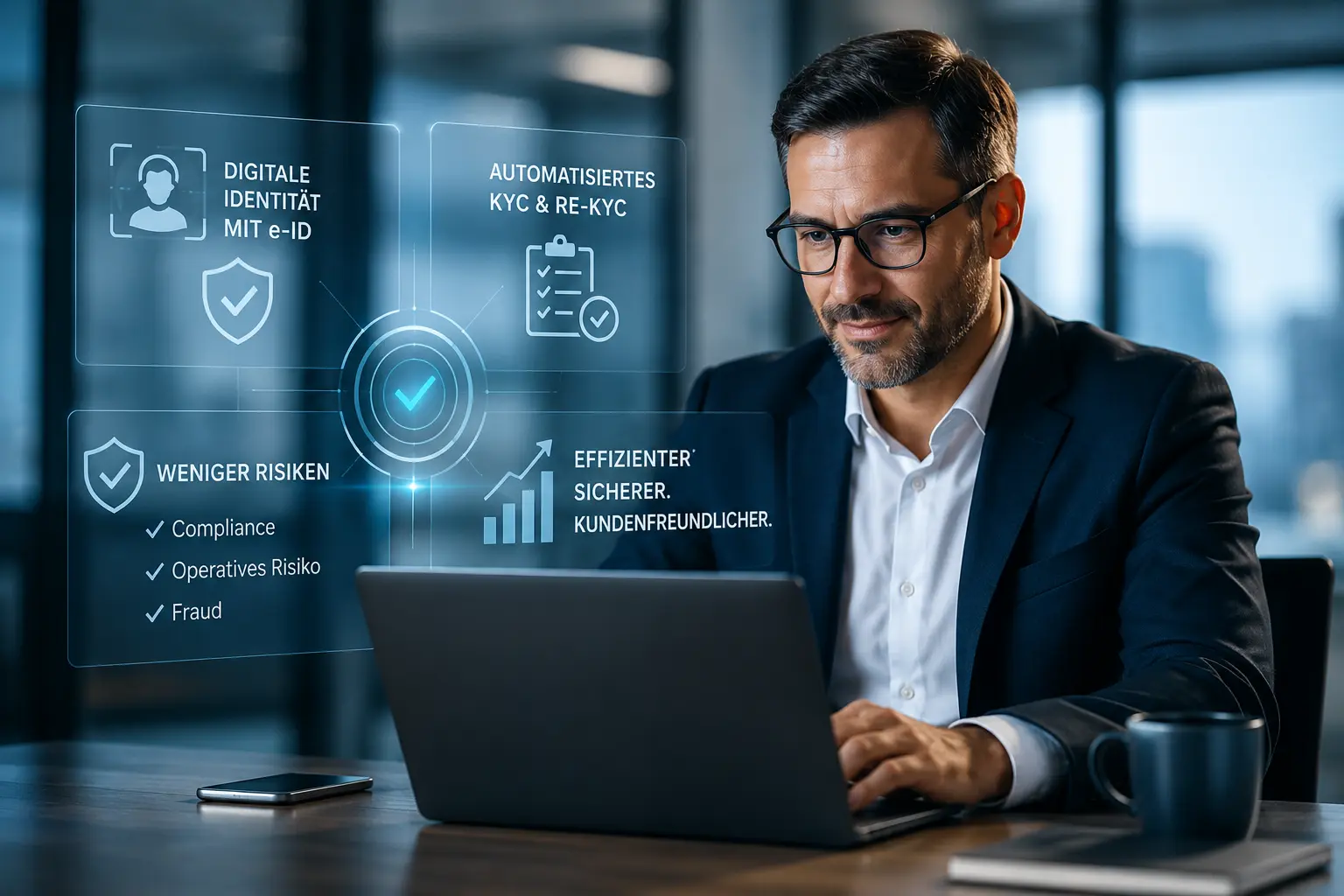
Bank employees using digital KYC and e-ID overlays in a modern office setting – an illustration of automated compliance and fraud processes with mesoneer.
Automate KYC instead of managing risks
Regulatory requirements are increasing, and e-ID presents a unique opportunity. At the same time, legacy systems are hindering progress. Many banks and insurance companies therefore face a critical decision: digitize now or risk falling behind.
Read more
Patrick Imsand
 | 
24.04.2026
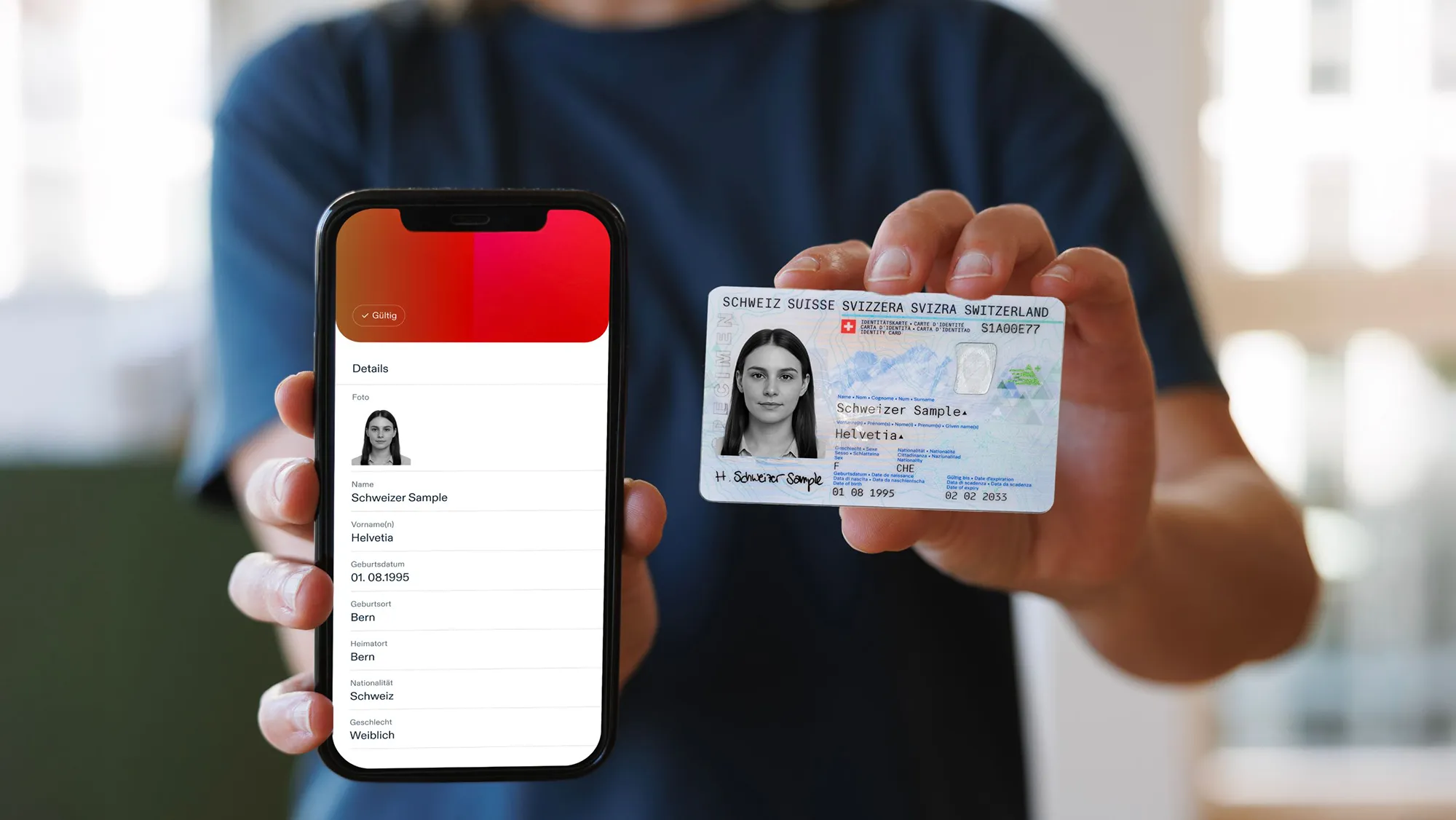
Person holding a smartphone displaying a digital Swiss ID and a physical Swiss identity card side by side, illustrating the concept of a mobile electronic ID.
e-ID: Greater transparency, stricter data protection
On February 25, 2026, the Federal Council presented amendments to the government's e-ID system. Following the close vote in September 2025, the aim is to further strengthen data protection, transparency, and trust in the new digital identity system.
Read more
mesoneer
 | 
12.03.2026
View more articles